Understanding Iran’s Secondary Sanctions: Implications and Consequences
In recent years, Iran has been subject to a complex web of sanctions, with secondary sanctions playing a pivotal role in shaping its international relations and economic landscape. Secondary sanctions, imposed by the United States, target third-party countries and entities that engage in business relations with Iran. As global businesses navigate the challenges posed by these sanctions, understanding their ramifications is essential for fostering compliant and sustainable operations. For a comprehensive overview on this subject, you can read more on Iran secondary sanctions.
The Origins of Iran’s Secondary Sanctions
The inception of secondary sanctions against Iran can be traced back to concerns regarding its nuclear program and its support for organizations deemed as terrorist groups by the U.S. government. The most notable instance was the imposing of sanctions as part of the Comprehensive Iran Sanctions, Accountability, and Divestment Act of 2010, which aimed to curb Iran’s nuclear ambitions.
While primary sanctions directly affect U.S. businesses, secondary sanctions broaden the scope to include foreign entities that conduct business with Iran. This extra-territorial approach is what differentiates secondary sanctions from traditional sanctions, making them particularly influential in a globalized economy.
Impact on International Businesses
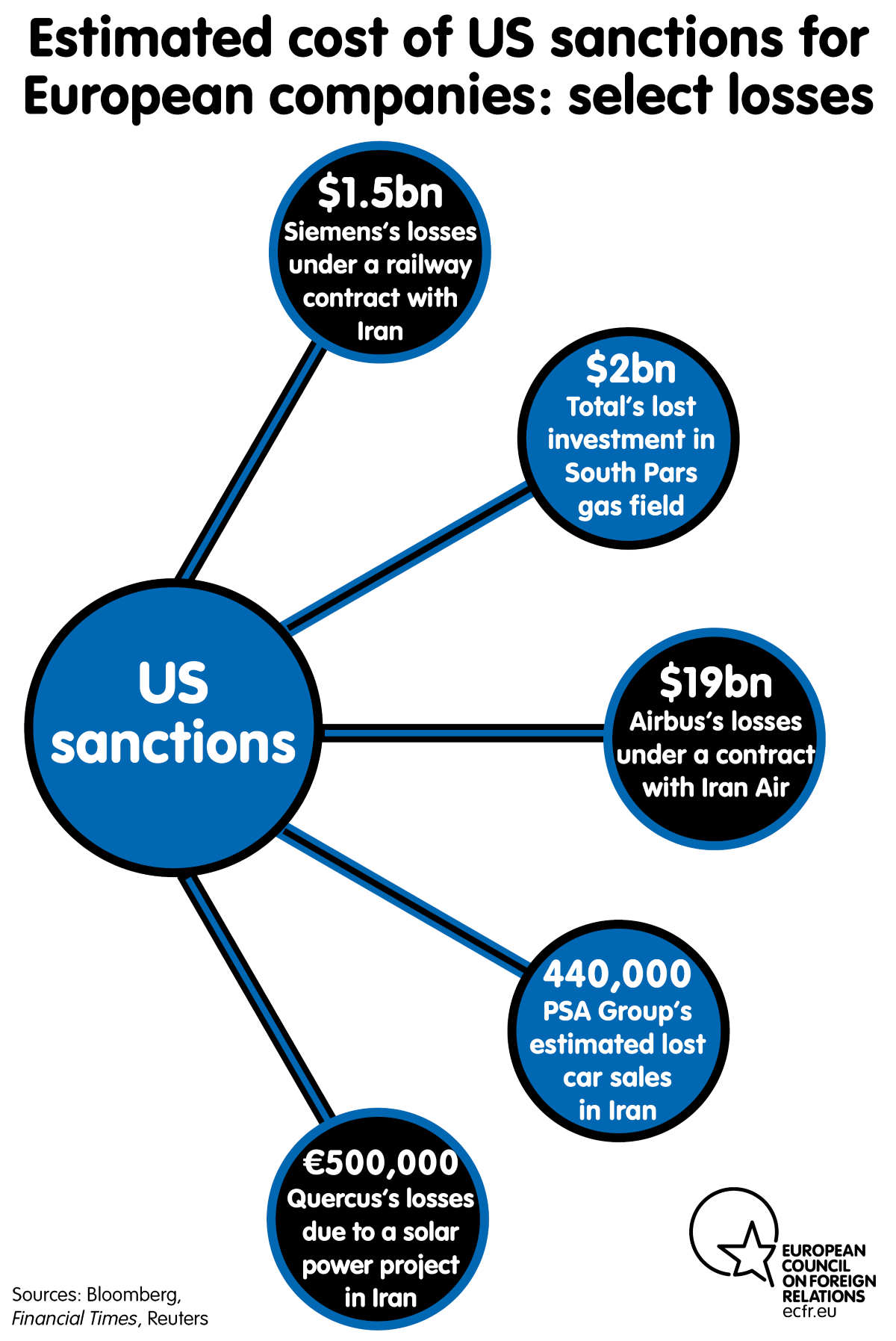
For international businesses, navigating Iran’s sanctions landscape is fraught with challenges. Companies that engage in trade or investment with Iranian entities can face hefty penalties, even if they are not based in the U.S. This has led many multinational corporations to reevaluate their exposure to Iran, often opting to limit or completely withdraw from the Iranian market.
The uncertainty surrounding the sanctions regime has created a chilling effect, where businesses often hesitate to engage with Iranian partners for fear of unintentionally triggering secondary sanctions. This caution is warranted, as U.S. authorities have demonstrated a willingness to impose significant fines on foreign companies and banks that violate these sanctions.
Key Areas Affected by Sanctions
Several sectors are particularly impacted by Iran’s secondary sanctions, including:
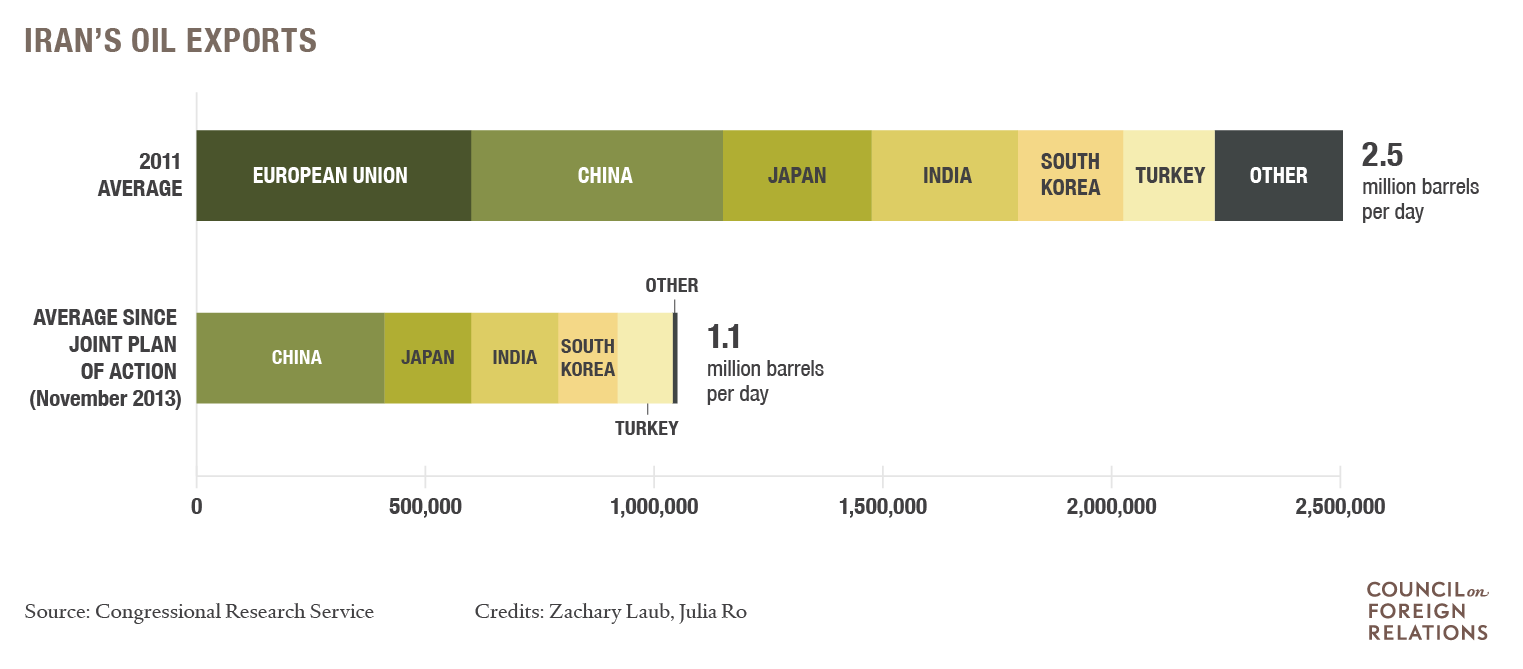
- Oil and Gas: As one of the world’s largest oil producers, Iran’s energy sector is a prime target for sanctions. Secondary sanctions targeting entities involved in the purchase or sale of Iranian oil have led many countries to cut ties, significantly reducing Iran’s oil export revenues.
- Banking and Finance: Secondary sanctions have made it challenging for Iranian banks to conduct business internationally. They often find themselves cut off from the global financial system, which hampers transactions and exacerbates Iran’s economic isolation.
- Transportation: The shipping and transportation industries have also been heavily affected. Companies that provide shipping services to Iran risk being penalized under U.S. law, leading to heightened costs and logistical challenges.
Complications for European Allies
European countries, which have traditionally maintained economic ties with Iran, have found themselves caught in a bind due to secondary sanctions. In response to the U.S.’s withdrawal from the Joint Comprehensive Plan of Action (JCPOA) in 2018, the European Union attempted to create mechanisms to counter U.S. sanctions and protect European businesses.
However, the success of these efforts has been limited. While the EU has established the Instrument in Support of Trade Exchanges (INSTEX) to facilitate trade with Iran, its effectiveness has been questioned given the significant economic and geopolitical influence of the U.S.
Legal and Compliance Challenges
Companies operating in a complex regulatory environment face considerable legal and compliance challenges. Ensuring compliance with U.S. sanctions can require extensive due diligence processes, which may involve screening partners and conducting compliance audits.
Moreover, businesses must continuously monitor changes in the sanctions landscape, including new sanctions lists and updates to existing regulations. Failure to comply can result in severe penalties, including hefty fines and loss of market access.
The Path Ahead
Looking forward, the future of Iran’s secondary sanctions remains uncertain, greatly influenced by shifting political tides,
both in the U.S. and Iran. With the ongoing dialogues surrounding Iran’s nuclear program, businesses operating in or associated with Iran must remain vigilant and adaptable to navigate these evolving dynamics.
The potential for sanctions relief could open opportunities for international businesses once again, but this is tempered by the reality of fluctuating political relations. It’s crucial for companies to develop robust risk management strategies and stay informed about the latest developments in sanctions policy.
Conclusion
In summary, the imposition of secondary sanctions on Iran has profound implications for international businesses, creating a challenging regulatory environment that necessitates careful navigation. As the geopolitical landscape continues to evolve, companies must be proactive in their approach to compliance and risk management to successfully operate in a market shaped by these complexities.