Understanding the psychological effects of gambling how it impacts decision-making and behavior
The Basics of Gambling Psychology
Gambling is a complex behavior influenced by various psychological factors. One key aspect is the interplay between risk and reward, which can significantly affect an individual’s decision-making process. The anticipation of winning can trigger the brain’s reward system, releasing neurotransmitters like dopamine, which reinforces the behavior. This means that even small wins can encourage individuals to gamble more, leading to a cycle of risk-taking that is difficult to break. You can find valuable information about exchange betting sites that help in understanding these dynamics.
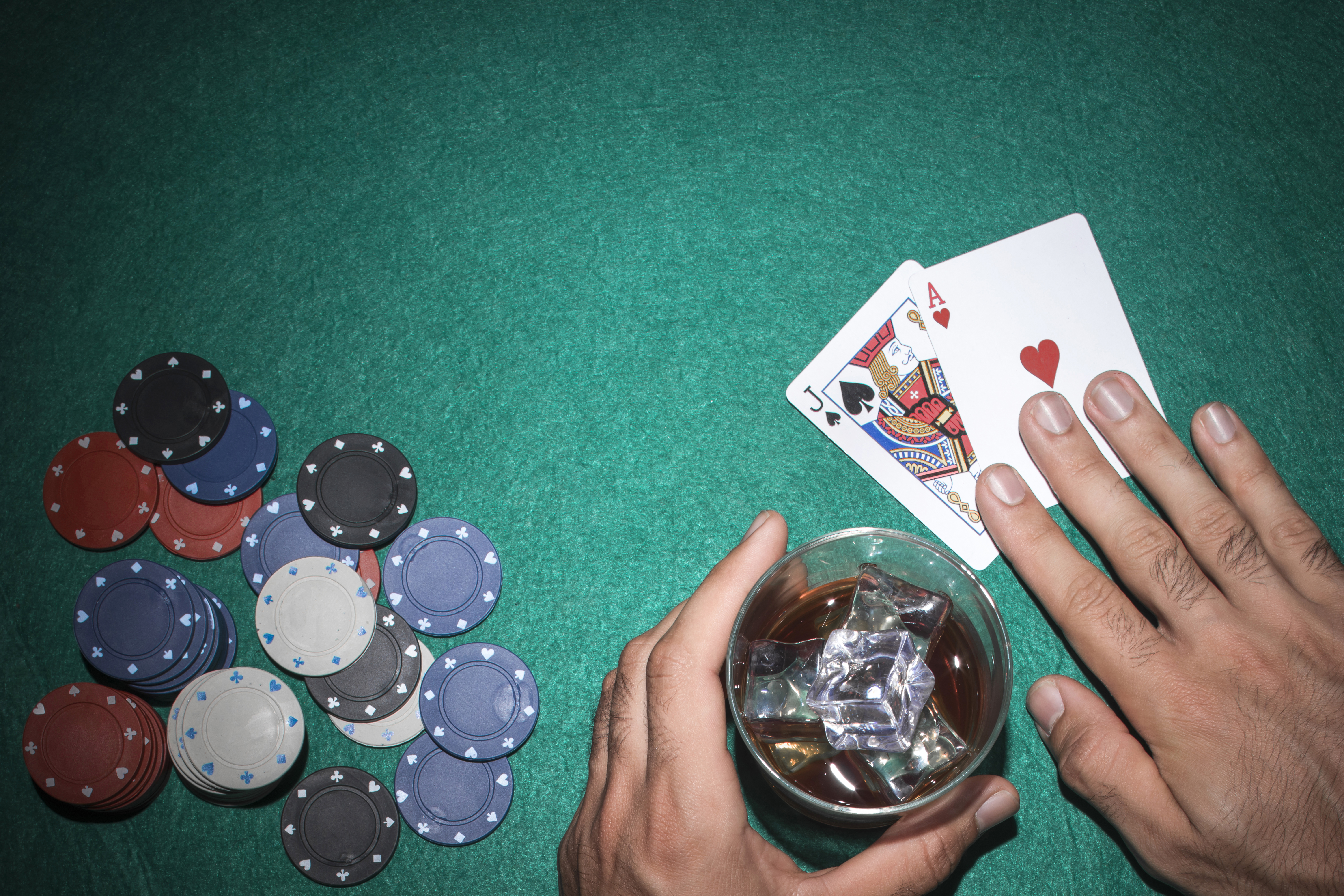
Understanding the psychological effects of gambling is essential, as it sheds light on why some individuals become problem gamblers. Emotional states such as stress, boredom, or depression can drive people to seek refuge in gambling, viewing it as a source of excitement or escape. These emotional triggers often lead to impulsive decisions, where the individual overlooks the odds and consequences in favor of immediate gratification.
Additionally, the environment in which gambling occurs can amplify psychological effects. For instance, brightly lit casinos, encouraging sounds, and the presence of others celebrating wins can create a euphoric atmosphere that heightens the desire to continue gambling. This sensory overload can impair judgment and lead individuals to make irrational choices, reinforcing the cycle of gambling behavior.
Cognitive Biases in Gambling
Cognitive biases are systematic patterns of deviation from norm or rationality in judgment, playing a pivotal role in gambling behavior. One common bias is the illusion of control, where gamblers believe they can influence the outcome of a game based on their skills or strategies. This can lead to overconfidence, resulting in poor decision-making and increased bets, even when the odds are against them.
The gambler’s fallacy is another prevalent cognitive bias, where individuals mistakenly believe that past events can influence future outcomes. For example, if a slot machine has not paid out recently, a gambler might assume it is „due“ for a win. This misinterpretation of probability can lead to ill-fated bets and, ultimately, financial loss.
Moreover, confirmation bias can also impact decision-making in gambling. Gamblers often seek information or results that reinforce their beliefs and ignore evidence that contradicts them. For instance, they may remember their wins more vividly than their losses, leading them to continue gambling under the false impression that they are successful. Such biases create a distorted perception of reality, making it challenging to recognize the risks involved in gambling.
The Role of Emotions in Gambling Decisions
Emotions are integral to gambling behavior and can profoundly influence decision-making. High levels of arousal, whether from excitement or distress, often lead to impulsive actions. For instance, individuals may gamble more aggressively when experiencing strong positive emotions, believing that their luck will continue. Conversely, when in a negative emotional state, they may engage in gambling as a coping mechanism, trying to alleviate their feelings of sadness or anxiety through the thrill of betting.
The concept of loss aversion also plays a role here, where the pain of losing is more intense than the pleasure of winning. As a result, individuals might chase their losses by increasing their bets, hoping to recover what they lost. This can lead to a dangerous cycle of gambling that escalates as they attempt to regain control, often resulting in greater financial repercussions.
Furthermore, emotional triggers, such as life events or transitions, can lead to increased gambling behaviors. Events like job loss, relationship breakdowns, or even significant celebrations can prompt individuals to engage in gambling as an outlet for their feelings. Understanding this emotional connection is crucial for recognizing when gambling may become problematic, allowing for timely intervention and support.
The Impact of Social Influences
Social influences also play a significant role in gambling behavior. Peer pressure and social norms can encourage individuals to engage in gambling activities, especially in environments where it is normalized, such as among friends or family gatherings. When gambling is perceived as an acceptable social activity, it becomes easier for individuals to justify their participation, often overlooking the potential consequences.
Additionally, the rise of online gambling platforms has transformed social dynamics, allowing individuals to gamble within social networks. Many platforms integrate social features, such as sharing winnings or competing with friends, further reinforcing gambling behavior. This sense of community can create a supportive environment, making it more challenging for individuals to recognize or admit to problematic behaviors.
Moreover, media representations of gambling often glorify success and minimize the risks involved. Television shows, movies, and advertisements frequently depict glamorous lifestyles associated with gambling, which can skew perceptions and set unrealistic expectations. Such portrayals can normalize gambling behavior and contribute to the desensitization of potential risks, making it crucial for individuals to critically evaluate their gambling habits and the messages they receive.

Conclusion and Resources
Understanding the psychological effects of gambling is essential for recognizing how it impacts decision-making and behavior. By exploring the cognitive biases, emotional triggers, and social influences that contribute to gambling, individuals can become more aware of their motivations and potential risks. Acknowledging these factors is the first step toward making informed decisions, reducing impulsive behavior, and maintaining a healthy relationship with gambling.
For those seeking to delve deeper into this topic, various resources are available that provide comprehensive insights and strategies for responsible gambling. Understanding one’s psychological triggers and the broader societal context of gambling can foster a more informed and conscious approach to betting, ensuring a safer gambling experience for everyone.