Understanding OFAC Sanctions List Countries: Implications and Analysis
In today’s interconnected world, economic sanctions play a critical role in international relations and trade. The OFAC sanctions list countries represent a significant aspect of the U.S. government’s strategy to influence the behavior of nations and organizations through financial pressure. In this article, we will explore the origins, purposes, and implications of OFAC sanctions, as well as the specific countries affected by these measures.
What is OFAC?
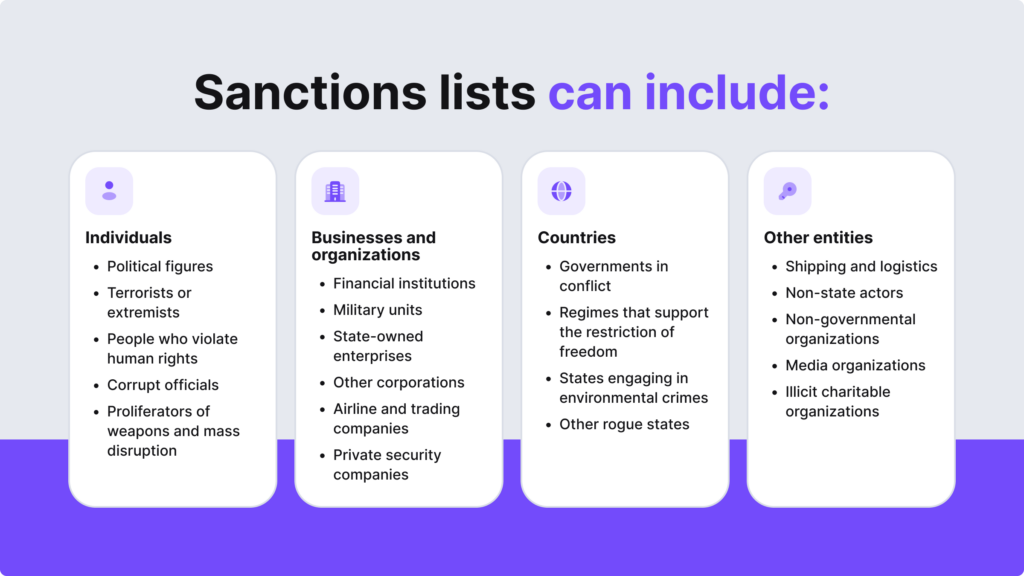
The Office of Foreign Assets Control (OFAC) is an agency of the U.S. Department of the Treasury responsible for administering and enforcing economic and trade sanctions based on U.S. foreign policy and national security goals. Established in 1950, OFAC has evolved to address a broad range of issues, including terrorist financing, drug trafficking, and the proliferation of weapons of mass destruction. The agency maintains a list of individuals, entities, and countries subject to sanctions, which can include asset freezes, travel bans, and restrictions on trade.
Types of Sanctions
OFAC sanctions can take various forms, including:
- Comprehensive Sanctions: These sanctions prohibit all economic activity with a specified country, effectively isolating it from international trade and finance. Examples include Iran and North Korea.
- Targeted Sanctions: Also known as smart sanctions, these measures focus on specific individuals or entities rather than entire nations. Targeted sanctions aim to minimize the impact on the general population while still applying pressure on government officials or businesses.
- Sectoral Sanctions: These sanctions target specific sectors of a country’s economy, such as energy, finance, or defense. For instance, sanctions against Russia have primarily focused on its oil and banking sectors.
Countries on the OFAC Sanctions List
As of October 2023, numerous countries are listed on the OFAC sanctions list, with restrictions varying based on the nature of the sanctions imposed. Some of the key countries include:
North Korea
North Korea has been subject to extensive sanctions due to its nuclear weapons program and aggressive military posture. These sanctions are comprehensive, restricting not only trade but also financial transactions involving North Korean entities.
Iran
Iran faces similar comprehensive sanctions, primarily due to concerns about its nuclear activities and hostile actions in the Middle East. The sanctions have significantly impacted Iran’s economy, limiting its ability to engage in international commerce.
Venezuela
Sanctions against Venezuela have been implemented in response to human rights abuses and corruption under the government of Nicolás Maduro. These targeted sanctions focus on key officials and sectors, particularly the oil industry.
Russia
Following its annexation of Crimea in 2014 and subsequent actions in Ukraine, Russia has faced a series of sanctions designed to isolate its economy and deter further aggression. The sanctions target individuals, industries, and the financial sector.
Others
Other countries on the OFAC sanctions list include Cuba, Syria, and Libya, each subject to different types and levels of sanctions based on their unique political situations and actions.

Implications of OFAC Sanctions
The implications of being on the OFAC sanctions list are far-reaching, not only for the sanctioned countries but also for businesses and individuals worldwide. Here are some key points to consider:
Economic Impact
Sanctions can destabilize economies, leading to inflation, unemployment, and reduced access to essential goods and services. For countries like Iran and Venezuela, sanctions have exacerbated existing economic challenges, resulting in humanitarian crises.
International Relations
Sanctions can strain diplomatic relations between countries. Nations that oppose U.S. sanctions may find themselves at odds with American foreign policy, complicating international cooperation on various issues.
Legal Consequences
Companies found to be in violation of OFAC regulations can face substantial fines and legal repercussions. As a result, businesses often implement strict compliance measures to navigate the complex landscape of U.S. sanctions.
Global Trade Dynamics
Sanctions can reshape global trade patterns, as countries and companies seek alternatives to engage in international commerce without violating sanctions. This can lead to the emergence of new trading partners and economic alliances.
Conclusion
Understanding the OFAC sanctions list and its implications is crucial for businesses and individuals engaged in international affairs. As geopolitical tensions continue to evolve, the role of economic sanctions in shaping global relations will remain significant. Monitoring the OFAC sanctions list is essential for anyone seeking to navigate the complexities of international trade and compliance.
In summary, the OFAC sanctions list serves as a powerful tool for the U.S. government to influence the behavior of nations and entities. While sanctions can effectively address issues of national security and foreign policy, they also pose complex challenges for those affected. Staying informed and compliant with OFAC regulations is imperative in today’s tumultuous geopolitical landscape.