Understanding the psychological triggers that drive gambling behavior
The Allure of Risk and Reward
The fundamental allure of gambling is rooted in the concept of risk and reward. Players are often drawn to the excitement of potentially winning big, which can create a thrill that is hard to resist. This anticipation activates the brain’s reward system, releasing dopamine, a neurotransmitter associated with pleasure. The promise of a significant payout can overshadow the risks involved, leading individuals to take chances they might not consider in other aspects of life. For those interested in exploring options, australia’s best online pokies are worth checking out.
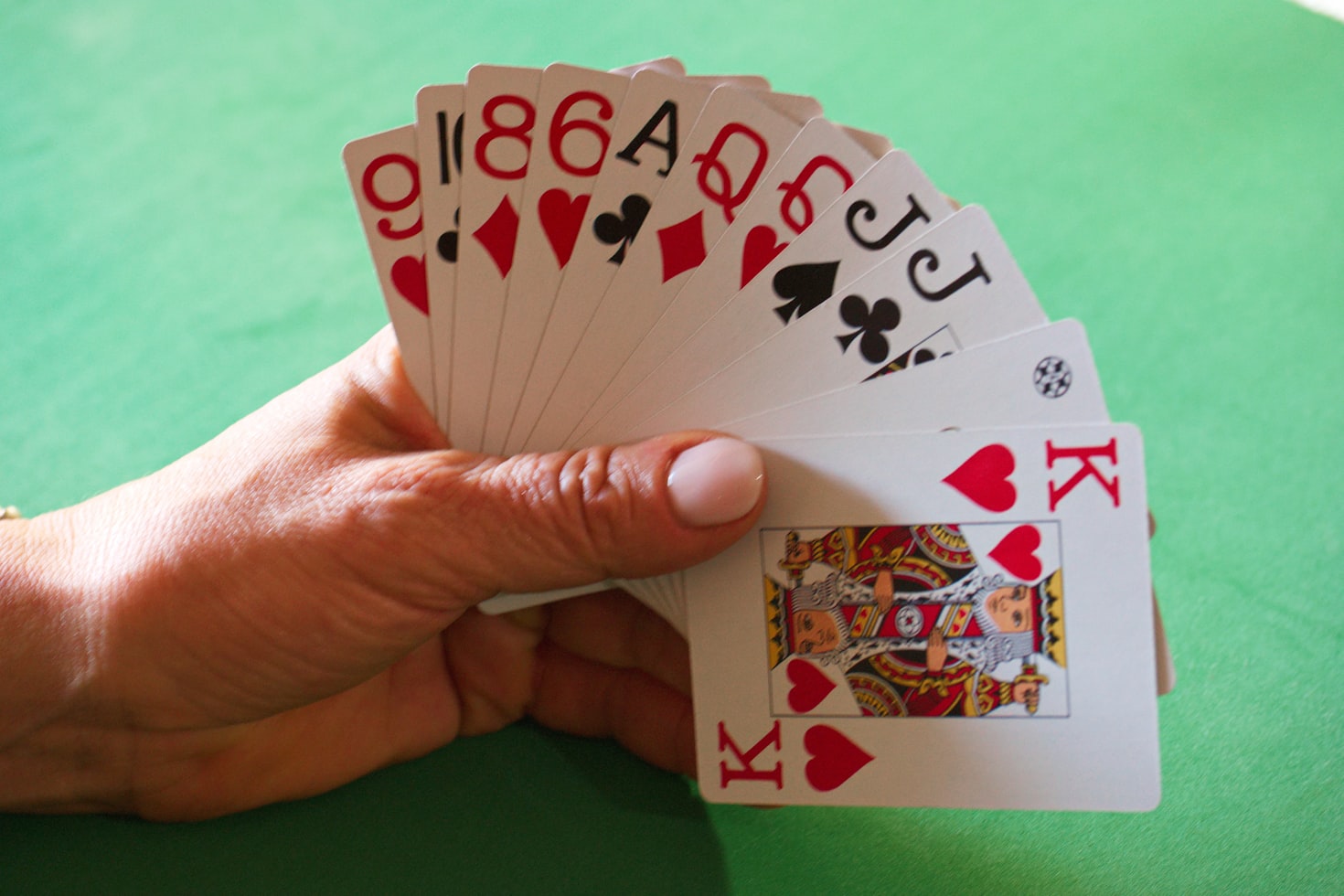
This psychological mechanism can foster a cycle of behavior where wins encourage further gambling. A small victory can amplify the desire to continue betting, as the mind fixates on the possibility of future rewards. This phenomenon is particularly evident in games that rely heavily on chance, such as slot machines, where near-misses can further entice players to engage in repeated gameplay.
The Illusion of Control
The Role of Social Influences
Social factors significantly impact gambling behavior, as individuals often gamble in group settings or under peer pressure. The social environment can create a sense of camaraderie and collective excitement, which can enhance the gambling experience. Observing others winning can motivate individuals to join in, reinforcing the belief that they too can achieve similar success.
Additionally, gambling establishments frequently leverage social dynamics through rewards and loyalty programs, creating a sense of belonging among players. The desire to fit in or impress peers can lead individuals to engage in gambling behaviors that they might otherwise avoid, amplifying the psychological triggers that drive this activity.
The Impact of Emotional States
Emotions play a crucial role in gambling behavior, with many individuals using gambling as a coping mechanism for stress or anxiety. The thrill of gambling can serve as a temporary escape, providing a distraction from everyday challenges. Unfortunately, this emotional regulation can create a cycle of dependence, where individuals continue to gamble to manage their feelings.
Moreover, the highs of winning can create a euphoric state, while losses can lead to frustration and despair. This rollercoaster of emotions often leads gamblers to chase losses, believing that they can recapture their previous winnings. This emotional aspect of gambling illustrates how psychological triggers can profoundly influence decision-making and behavior.

Explore More on Gambling Psychology
Understanding the psychological triggers that drive gambling behavior is essential for both players and those seeking to help them. By recognizing these influences, individuals can make more informed choices about their gambling activities. Education and awareness are powerful tools in navigating the complex world of gambling, allowing for healthier engagement with these activities.
Our website serves as a valuable resource for those looking to delve deeper into this subject. We provide comprehensive articles and insights aimed at both novice and experienced players, promoting responsible gambling practices and enhancing understanding of the psychological factors at play. Through our content, we aim to foster a safer gambling environment for all.
„`