
The Ultimate Guide to Forex Currency Trading Brokers
In the dynamic world of forex currency trading, selecting the right broker is crucial for your trading success. With numerous brokers available in the market, understanding what to look for can greatly enhance your trading experience. A reliable forex broker can provide the trading tools you need, facilitate efficient transactions, and offer educational resources to improve your skills. A prime example of a well-established broker is forex currency trading broker protradinguae.com, which provides traders with a comprehensive trading platform. In this article, we will delve into the essential aspects of choosing a forex broker, the services they offer, and how they can impact your trading journey.
What is a Forex Broker?
A forex broker is a company or individual that acts as an intermediary between retail traders and the foreign exchange market. Forex brokers play a pivotal role in facilitating trading by providing access to currency pairs and enabling traders to execute buy and sell orders. Most brokers offer trading platforms that come with various tools, features, and resources designed to help traders make informed decisions.
Types of Forex Brokers
Forex brokers generally fall into two main categories: market makers and ECN (Electronic Communication Network) brokers.
- Market Makers: These brokers act as the principal counterparty to your trades. They quote prices and provide liquidity to the market. Market makers make a profit by widening the spread between the buying and selling price.
- ECN Brokers: These brokers connect traders directly with liquidity providers, such as banks. They typically offer tighter spreads and charge a commission on trades. ECN brokers are known for transparency, allowing traders to see real-time market prices.
Key Factors to Consider When Choosing a Forex Broker
1. Regulation and Licensing
One of the most critical factors is ensuring that the broker is regulated by a reputable financial authority. Regulatory bodies like the Financial Conduct Authority (FCA) in the UK, the Commodity Futures Trading Commission (CFTC) in the USA, or the Australian Securities and Investments Commission (ASIC) provide oversight, ensuring brokers adhere to strict guidelines to protect traders. Before opening an account, always check the broker’s regulatory status.
2. Trading Costs
Trading costs can significantly impact your profitability. These costs include spreads, commissions, and overnight fees. Compare the trading fees of different brokers and evaluate how they fit into your trading strategy. For instance, some brokers offer zero-commission trading but may have wider spreads, while others may charge a commission but offer tighter spreads.
3. Trading Platform
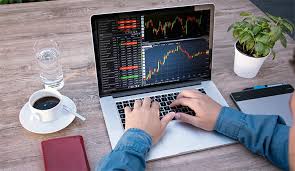
The trading platform is the software used to access the forex market. It should be user-friendly, stable, and feature-rich. Popular platforms include MetaTrader 4 (MT4) and MetaTrader 5 (MT5), known for their advanced charting tools and automated trading capabilities. Ensure that the broker you choose supports a platform that meets your trading needs.
4. Account Types
Different brokers offer various account types catering to different trading needs. Whether you are a beginner or an experienced trader, look for brokers that provide accounts with appropriate leverage, minimum deposit requirements, and the ability to trade micro-lots. Some brokers even offer demo accounts, allowing you to practice trading without risking real money.
5. Customer Support
Reliable customer support is essential for addressing any issues that may arise during trading. Ensure the broker provides multiple channels of support, such as live chat, email, or phone. Test their response time and quality of service before committing to an account.
6. Educational Resources and Tools
Education is key to successful trading. Look for brokers that offer comprehensive educational materials, including webinars, guides, and tutorials. Access to market analysis, news updates, and trading signals can also enhance your trading knowledge and decision-making.
The Importance of a Demo Account
Many forex brokers offer demo accounts that enable traders to practice trading without risking real money. A demo account is an excellent way to familiarize yourself with a broker’s trading platform, test strategies, and understand market conditions. It provides a risk-free environment to build your confidence and refine your trading approach.
Conclusion
Choosing the right forex currency trading broker can make a significant difference in your trading success. By considering factors such as regulation, trading costs, platform usability, account types, customer support, and educational resources, you can make an informed decision. Always conduct thorough research, read reviews, and even try out demo accounts to find the broker that best suits your trading style and goals. Remember, a well-chosen broker can elevate your trading experience to new heights and help you navigate the complexities of the forex market effectively.