Whoa! The first time I tried to move an NFT on Solana my heart raced a little. I had that mix of excitement and low-grade fear you get when clicking „connect“ to a new dApp—seriously?—and I kept thinking about private keys and little mistakes that snowball. My instinct said „pause“, but curiosity won, and that led me down a few messy but illuminating rabbit holes. Initially I thought browser wallets were all the same, but then I realized how different the UX, security model, and account recovery paths really are.
Here’s the thing. Browser extensions feel trivial on the surface, but they sit between you and a lot of value—wallets, NFTs, on-chain ops—and that makes them high-stakes. Medium-term storage in a browser extension is fine if you treat it like a hot wallet: fast access, but not where you keep your grandparents‘ inheritance. On one hand convenience is wonderful, though actually on the other hand you need to be deliberate about permissions and sites you trust. Hmm… I still mess up sometimes, like opening a weird marketplace link and thinking „why did I do that?“ and then learning the hard lesson.
Okay, quick practical note. If you’re hunting for the Phantom wallet extension, use one reliable source. Go to the official installer page—trust the official channels, not random redirect ads that pop up in search results. I’m biased, but the fewer places you click the better; somethin‘ about too many options makes me nervous. Seriously? People still paste private keys into random forms… don’t do that.
Some basics: Solana wallets in the browser manage your public addresses and sign transactions while keeping private keys encrypted locally in the extension. That design gives speed and utility for NFT drops, swaps, staking UI, and gameplay, but it also means if your device is compromised the wallet can be at risk. On the bright side, Phantom and similar wallets support hardware wallets for larger balances, so you can pair a cold device for serious holdings and use the extension for everyday moves. Initially I thought keeping one device for everything was fine, but then I realized layering defenses (hardware + extension + caution) prevents a lot of headaches.
What to look for when installing: extension reviews, number of users, recent update cadence, and where the project links from its main website and Twitter. Also check permissions the extension requests at install time—if an extension asks to read or change all your data on websites where it has no business, that’s a red flag. I’ll be honest, that permission screen bugs me; it feels like an obfuscated contract and most people skip it. On top of that, back up your seed phrase properly and never store it online or in a plain text note.
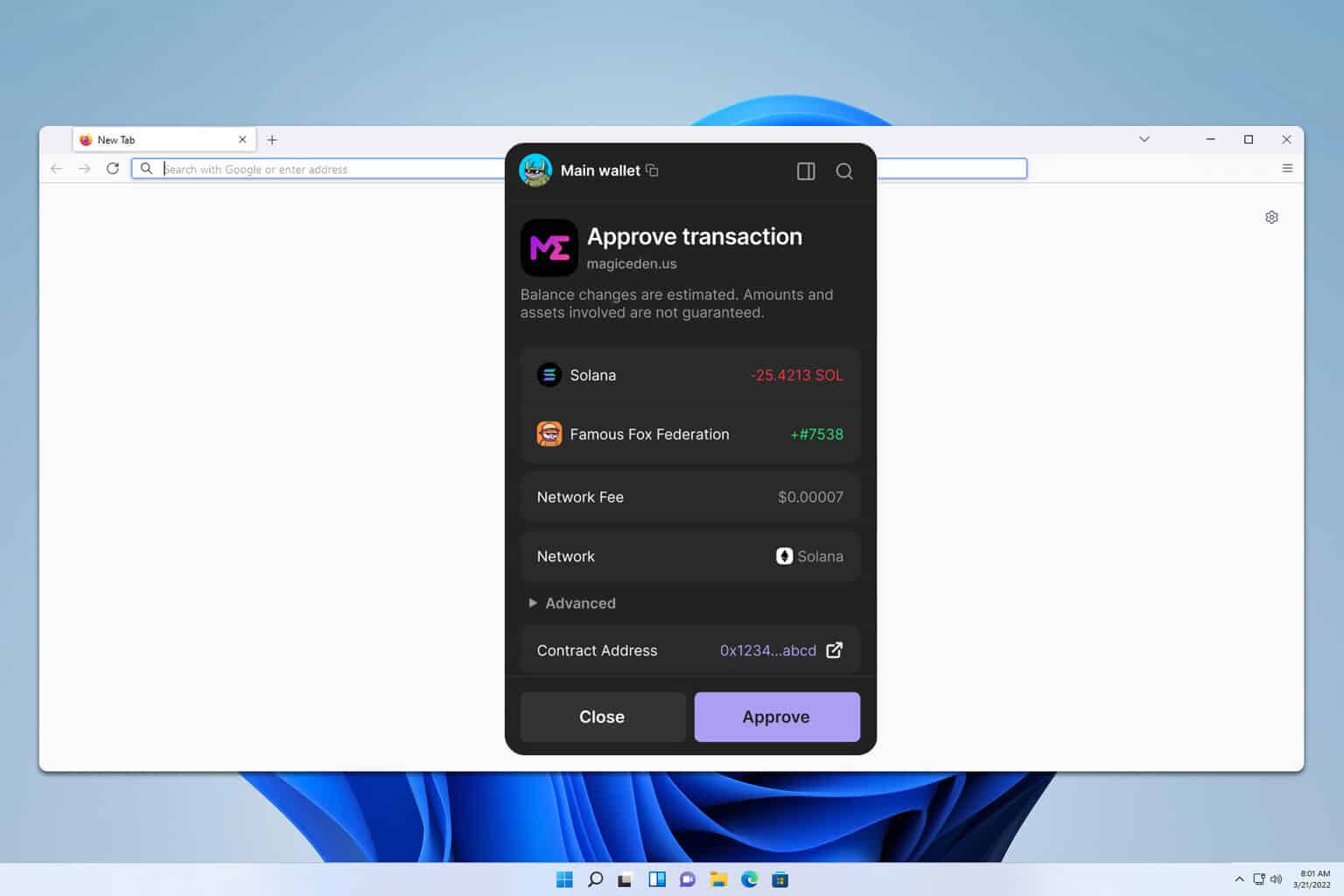
Where to get a trusted Phantom wallet extension and a safe install tip
If you want a straightforward installer for the phantom wallet, go there from your desktop, follow the official prompts, and double-check the extension ID on the store page against the project’s documentation. Short bursts help: pause, breathe, look before you click. A splash of due diligence—checking the publisher, reviews, and update history—goes a long way toward avoiding impostors. On the other hand, using a clean browser profile for all Web3 interactions, separated from your everyday browsing, reduces accidental exposure to malicious tabs and sketchy scripts.
One more workflow tip. When you’re flipping through NFTs or connecting to a new marketplace, connect only when necessary and disconnect when you’re done—treat connections like short-lived sessions. This way if a site is malicious, the damage window is smaller. Also, toggle your notifications and signing settings so you get clear context before approving transactions; that small friction is protective. My instinct says the security UX needs to be a bit bumptious—force the pause—because people are human and mistakes happen.
Practically speaking, set up account recovery before you hold anything valuable. Write your seed phrase on paper stored somewhere safe, and consider a metal backup if you plan to hold long-term. On another note, mixing wallets—one for small, day-to-day trades and a second hardware-backed address for big stuff—is a good mental model. I used to keep everything in one spot, and yeah, that was dumb; lesson learned the slow way.
Common questions about Solana wallet extensions
Is a browser extension safe for NFTs?
Short answer: yes if you follow basic practices—use a trusted extension, keep software updated, never reveal your seed phrase, and consider a hardware wallet for large holdings. Longer answer: there are trade-offs between convenience and security; plan accordingly and compartmentalize your funds.
How do I avoid phishing and fake extensions?
Only install from the publisher’s official links, verify the extension’s store page against official docs, read permissions, and beware of search-ad redirects or social-media DMs offering „free mint“ links. If something promises too much or pressures you to sign quickly, step back—take a screenshot, ask in the project’s verified channels, and don’t rush.